
"Small gifts, come to Huiyi to support me"
No one has offered a reward yet. Give me some support
| |
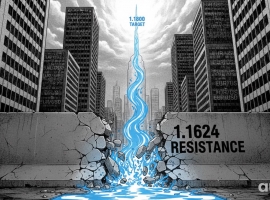 Aurra Markets:欧元兑美元突破,美
欧元兑美元是否终于突破了长期震荡区间?欧元兑美元( EUR/USD )已明确突破近期盘
Aurra Markets:欧元兑美元突破,美
欧元兑美元是否终于突破了长期震荡区间?欧元兑美元( EUR/USD )已明确突破近期盘
 Aurra Markets:贝森特:美国财政赤
特朗普任期内美国财政赤字是否已见顶?美国财政部长贝森特表示,美国财政赤字在特朗
Aurra Markets:贝森特:美国财政赤
特朗普任期内美国财政赤字是否已见顶?美国财政部长贝森特表示,美国财政赤字在特朗
 And Aurra Markets 相约 2026 年孟买
And Aurra Markets 相约于 2026 年孟买金融博览会(钻石赞助商 – 33号展位)我们非
And Aurra Markets 相约 2026 年孟买
And Aurra Markets 相约于 2026 年孟买金融博览会(钻石赞助商 – 33号展位)我们非
 Aurra Markets:【WTI Analysis of crude oil trend
WTI 原油是蓄势突破还是面临反转? 围绕霍尔木兹海峡的地缘政治紧张局势正显著加剧
Aurra Markets:【WTI Analysis of crude oil trend
WTI 原油是蓄势突破还是面临反转? 围绕霍尔木兹海峡的地缘政治紧张局势正显著加剧
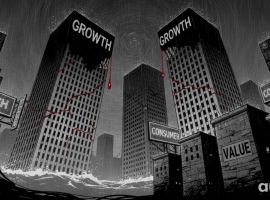 Aurra Markets:美债收益率走高,成
当前美债收益率如何影响股市?美国国债收益率正在显著影响股市走势,尤其是对成长型
Aurra Markets:美债收益率走高,成
当前美债收益率如何影响股市?美国国债收益率正在显著影响股市走势,尤其是对成长型


MIP|Mobile version|A small dark room| |Site Map |customer serviceQQ:2381682638
Copyright © 2006-2024 Huiyi Interaction https://www.forexbbs.net copyright All Rights Reserved.




 Riser card
 Top card
 Silence card
 Color changing card
 lifting jack