"Small gifts, come to Huiyi to support me"
No one has offered a reward yet. Give me some support
| |
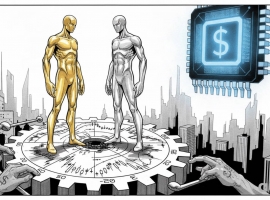 Aurra Markets:【黄金与白银走势分
黄金与白银正处关键十字路口:后市将何去何从?黄金(XAU/USD)与白银(XAG/USD)正
Aurra Markets:【黄金与白银走势分
黄金与白银正处关键十字路口:后市将何去何从?黄金(XAU/USD)与白银(XAG/USD)正
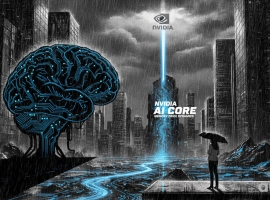 Aurra Markets:英伟达第二季度财报
英伟达最新财报释放了哪些有关 AI 投资与市场动态的信号?英伟达最新财报进一步揭示
Aurra Markets:英伟达第二季度财报
英伟达最新财报释放了哪些有关 AI 投资与市场动态的信号?英伟达最新财报进一步揭示
 美元走强金价必跌?黄金美元关系一文
在全球金融市场中,“黄金美元关系”始终是投资者关注的核心议题。2025From the end of the year to2026Beginning of the year
美元走强金价必跌?黄金美元关系一文
在全球金融市场中,“黄金美元关系”始终是投资者关注的核心议题。2025From the end of the year to2026Beginning of the year
 Aurra Markets:【布伦特原油走势分
布伦特原油为何跌至 88 美元?布伦特原油近期大幅下挫至每桶 88 美元附近,主要受到
Aurra Markets:【布伦特原油走势分
布伦特原油为何跌至 88 美元?布伦特原油近期大幅下挫至每桶 88 美元附近,主要受到
 Aurra Markets:【软件股】Palantir
哪些软件股正受到市场密切关注?CNBC 点名的两只软件股目前正面临重要考验,分别是
Aurra Markets:【软件股】Palantir
哪些软件股正受到市场密切关注?CNBC 点名的两只软件股目前正面临重要考验,分别是


MIP|Mobile version|A small dark room| |Site Map |customer serviceQQ:2381682638
Copyright © 2006-2024 Huiyi Interaction https://www.forexbbs.net copyright All Rights Reserved.





 ​
​ Riser card
 Top card
 Silence card
 Color changing card
 lifting jack