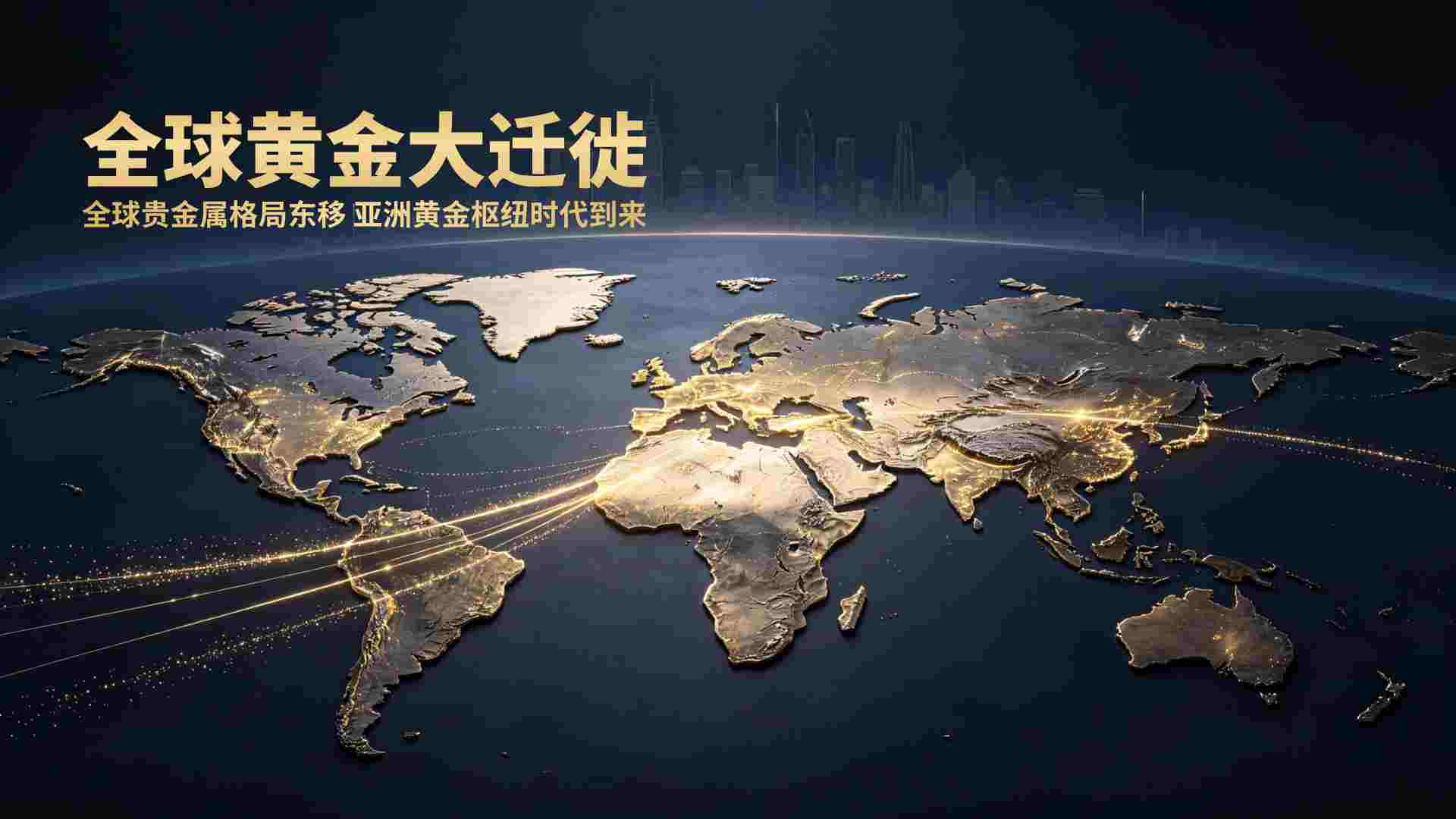
For a long time in the past, the pricing, trading, and financial infrastructure of the global gold market were mainly concentrated in the European and American markets. But from a demand perspective, Asia has always been an important force in the global gold market. China, India, and Southeast Asian markets have huge demand for gold consumption and investment. With the continuous maturity of Asian financial markets, this change has also begun to extend from demand to market construction, and the focus of the global gold market is gradually moving towards Asia.
As a financial center connecting the mainland and international markets, Hong Kong is accelerating the completion of the infrastructure gaps in the precious metals market.2026year7In the month, the Hong Kong Gold Central Clearing and Settlement System entered the trial operation stage, exclusively forHAUImplement price codes, establish physical connectivity channels with the Shanghai Gold Exchange, and plan to enhance local gold storage capacity2000Over tons, it is a change from the pain points of relying on bilateral clearing and scattered supporting facilities in the past over-the-counter gold trading.
These changes may seem to be happening in different fields, but when put together, they point in the same direction: the Hong Kong gold market is moving from a single trading function to a more comprehensive market service system.
2026year8month,Hong Kong Gold Exchange Trading System Limited(HKGXTS)Formally established, it has also become a key focus of market attention“Where to trade gold”Further extending to how to clear, settle, and deliver after trading, as well as how to make gold flow more smoothly between different markets.
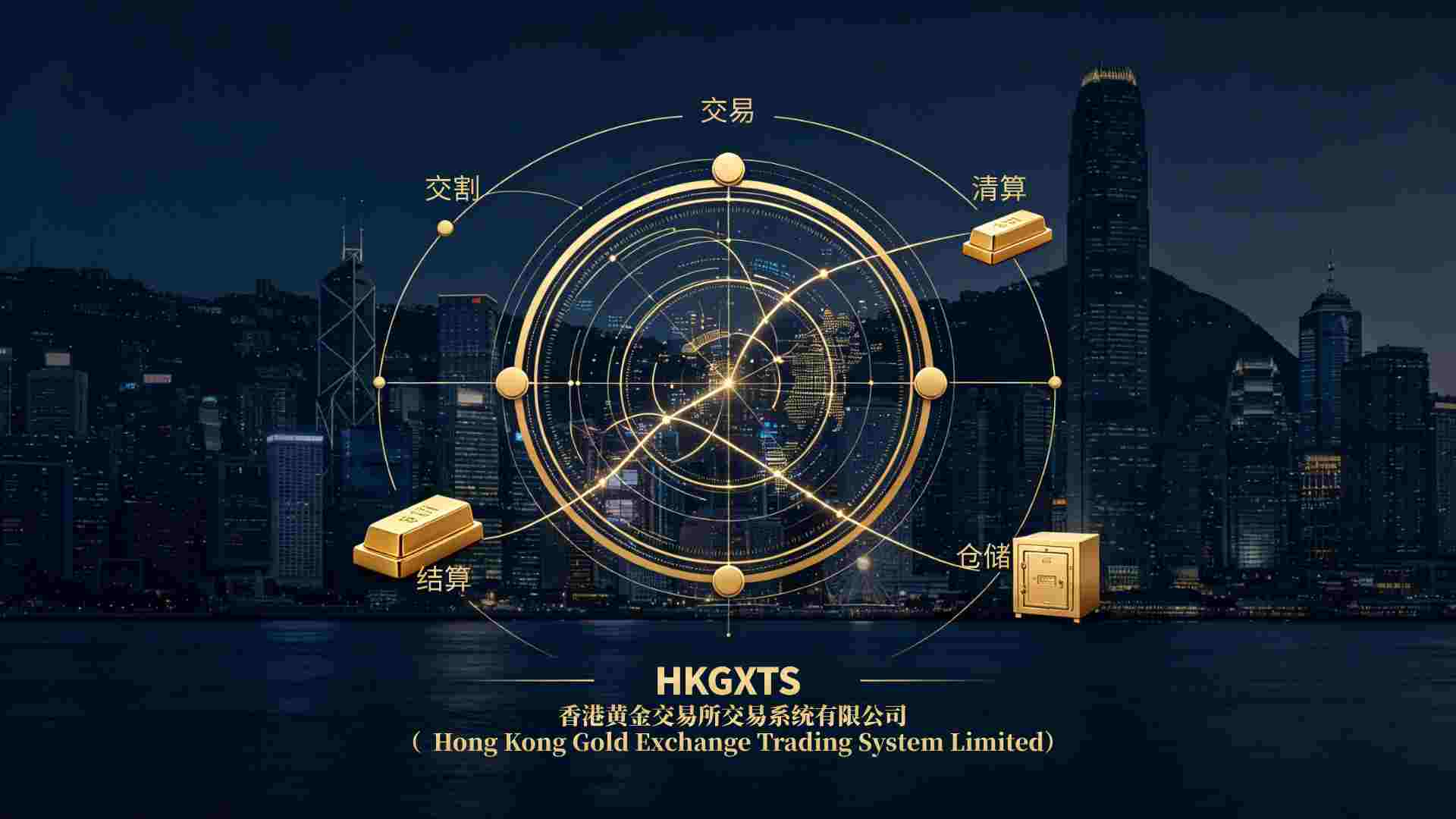
This is actually a real area worth paying attention to when the gold market is moving eastward. The so-called gold“to the east”It's not just about transporting gold from one place to another. Instead, Asia is forming increasingly complete gold market infrastructure and trading capabilities. As the connections between mainland China, Hong Kong, and other Asian markets continue to strengthen, the flow efficiency and market influence of gold in Asia are also changing.
For precious metal practitioners who have long been rooted in Hong Kong, these changes are not a sudden new topic. Jinrong China takes root in Hong Kong16In the year, as the Hong Kong Gold ExchangeAAclass084The operator has experienced the process of Hong Kong's precious metal market transitioning from traditional models to digitalization and networking. Look back at this16In recent years, the ways in which investors participate in the market have been constantly changing, and the ways in which investors obtain information, participate in the market, and manage transactions have also been evolving.
The growth of Jinrong China has always been synchronized with market changes. From the early development of precious metal business to the continuous upgrading of trading system, risk management and service system, the changes in the Hong Kong market itself are not only changes in the industry environment, but also the growth trajectory of Jinrong China's participation in it.
What truly changes when gold moves eastward may not be where it ultimately flows, but where it is traded, cleared, delivered, and how much value the Asian market can carry in the global gold system. Hong Kong is becoming an increasingly important connecting point in this change. For precious metal trading service providers like Jinrong China, who have long been rooted in Hong Kong, this change is not only a change in the industry environment, but also a process of their continuous participation and witnessing the development of the Hong Kong gold market.


MIP|Mobile version|A small dark room| |Site Map |customer serviceQQ:2381682638
Copyright © 2006-2024 Huiyi Interaction https://www.forexbbs.net copyright All Rights Reserved.